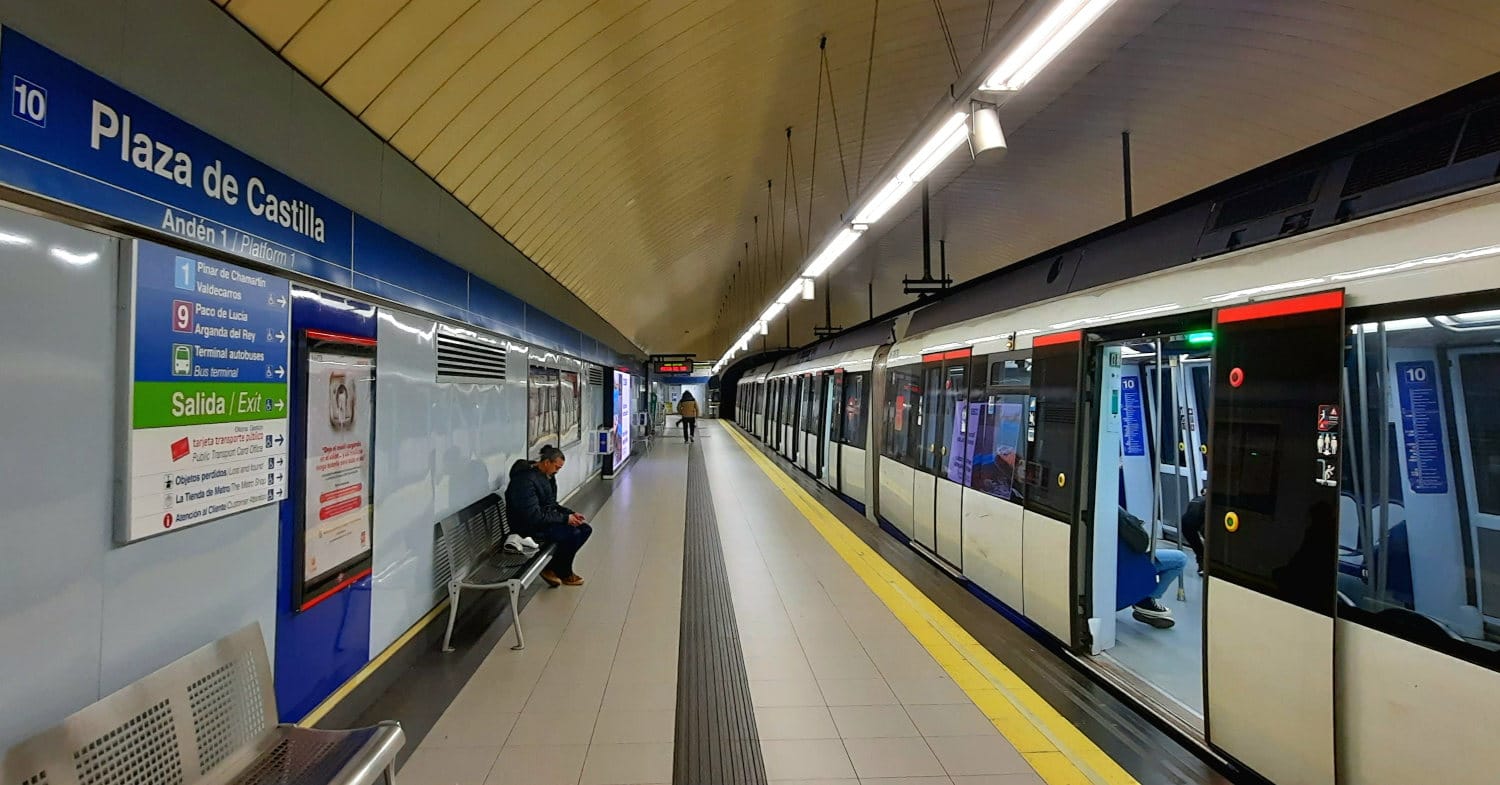
Madrid Metro Line 10 was disrupted again on 8 July, with services halted between Begoña and Plaza de Castilla at around 17:30. By 18:43, the affected section had been reduced to Plaza de Castilla–Chamartín, with full service not restored until 23:30.
While Metro de Madrid initially cited “technical causes” via social media, regional broadcaster Telemadrid reported a “loss of guidance” affecting an out-of-service train at Plaza de Castilla, which became immobilised.

The term “loss of guidance”, seldom used in general communications, refers to a condition in which wheelsets fail to maintain proper flange contact with the rail, without necessarily resulting in a full derailment. It may be associated with flange wear, track defects or gauge issues, and is often considered a precursor to a derailment event.
No detailed technical explanation has yet been released. Metro has continued to describe the incident as due to “technical causes”, stating only that normal operations resumed six hours after the initial suspension.
The disruption extended the existing engineering works blockade between Nuevos Ministerios and Plaza de Castilla. During the incident, the operator did not extend the replacement bus service to Chamartín, requiring passengers to rely on a combination of shuttle and regular EMT bus services.