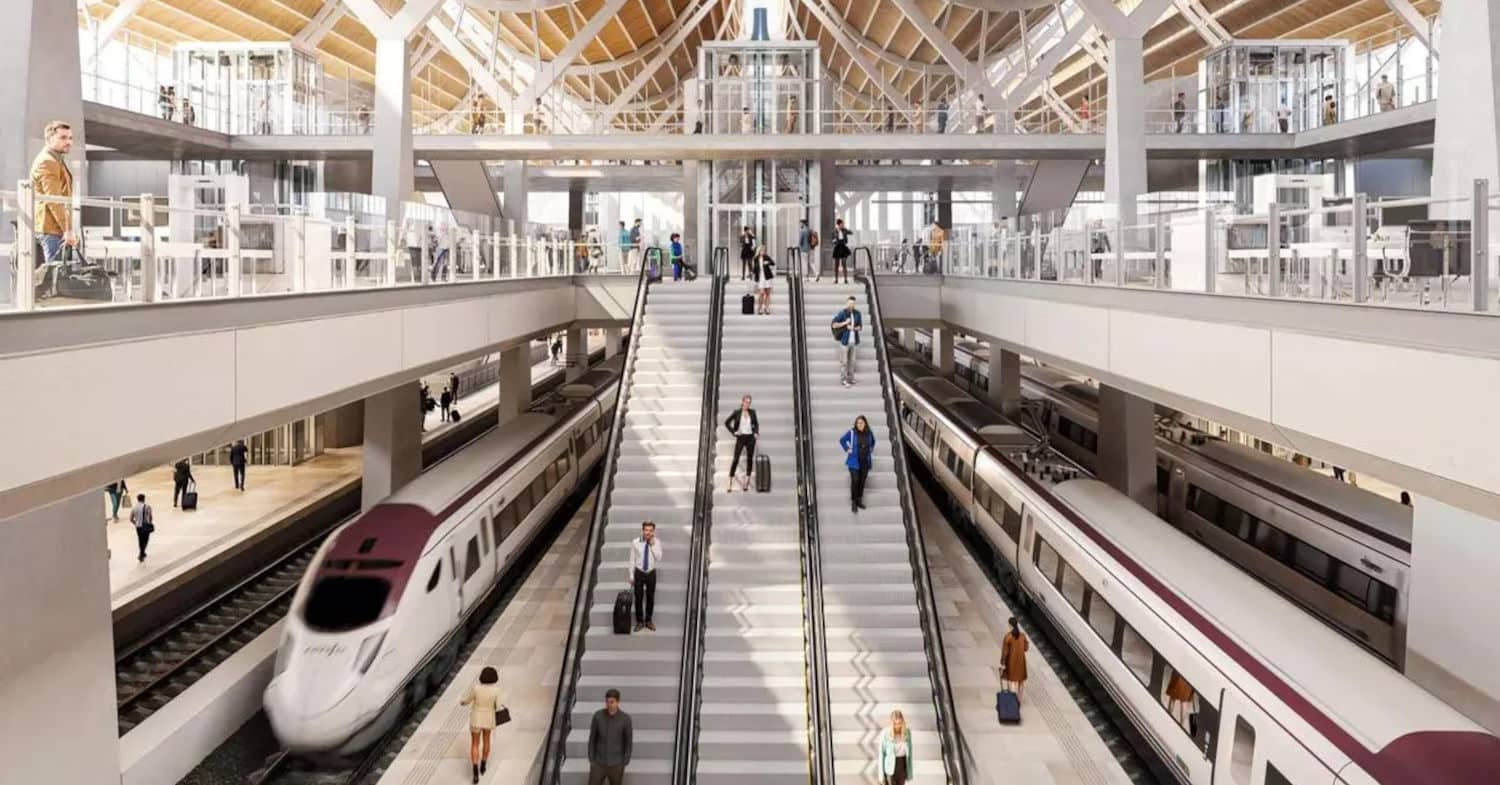
Engineering multinational Sener Mobility has been appointed to deliver the detailed design of Valencia’s future Central station. Adif Alta Velocidad confirmed on Friday the award of a €6·1m contract (including VAT), after Sener prevailed over 13 bids with a discount exceeding 24% against the tender baseline. Renderings of the proposal have recently emerged, illustrating the scheme.
The new facility will replace both Estación del Nord and València Joaquín Sorolla, consolidating high speed and conventional services in a single hub. Conceived as a through underground station, it will eliminate the current terminal layout, removing the need for reversals and enhancing both line capacity and operational efficiency.

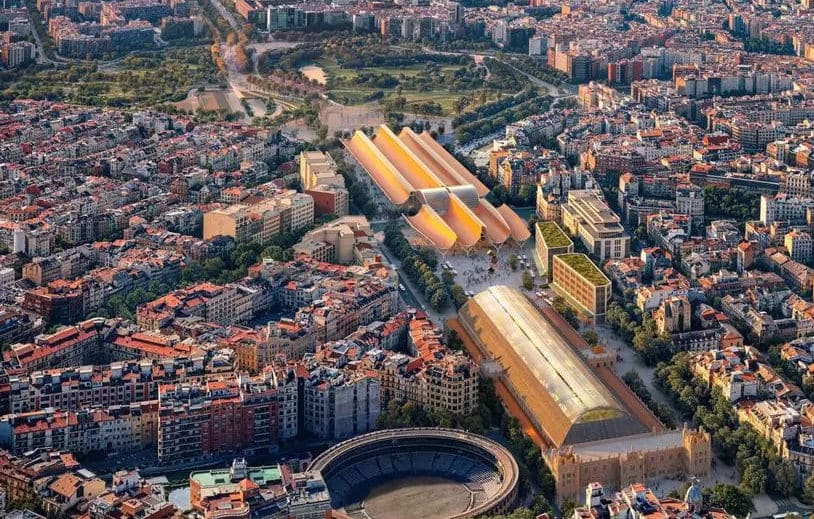
A large roof with natural lighting for Valencia Central Station
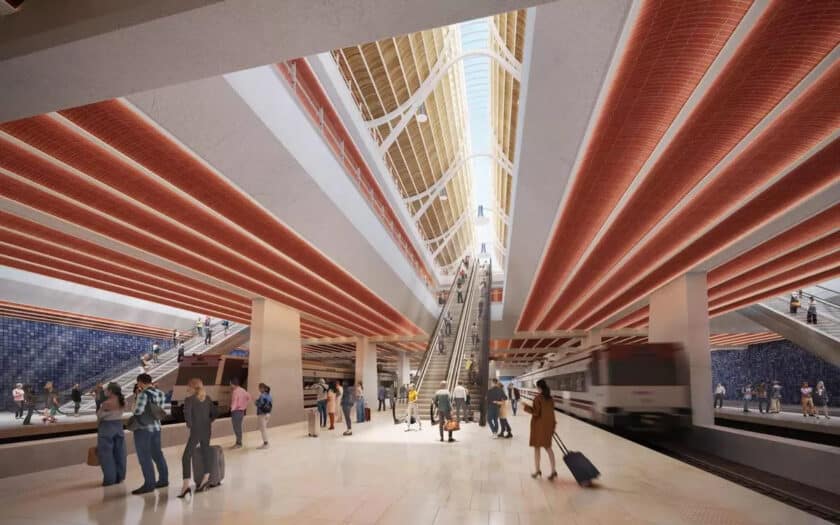
The design features a large roof structure composed of four interconnected counter-vaults with skylights, providing natural daylight to the interior spaces. The station will be arranged across four levels.
At surface level, urban integration will be achieved through a new public square between Estación del Nord and the future terminal, alongside a green corridor structuring the surrounding area.
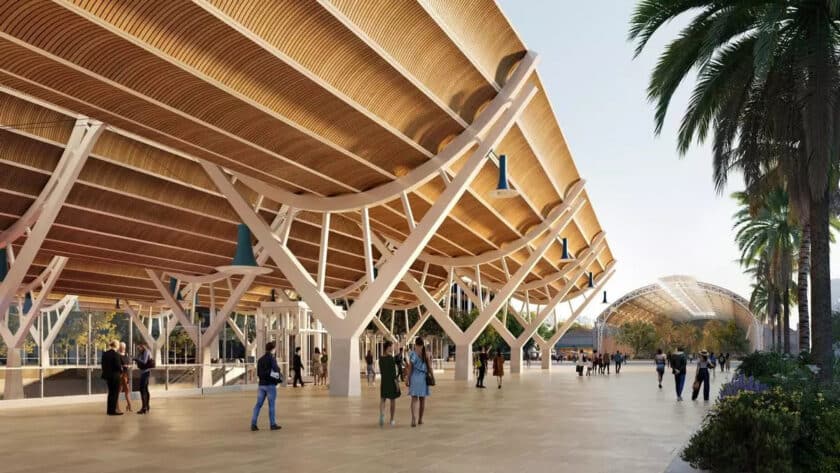
Street level will support intermodality, with direct links to Metrovalencia and Cercanías services. Below, a mezzanine level will act as the main passenger concourse, incorporating the principal ticket hall and an intermodal სივრც linking metro, taxi ranks and short-stay drop-off zones.
At a depth of around 12 m, the high speed and long-distance level will accommodate six standard-gauge tracks and three 400 m island platforms. This level will also include a ორი-storey underground car park with capacity for 1,200 vehicles.
The deepest level will handle Iberian-gauge services, with a further six tracks and three 250 m platforms for Cercanías and Media Distancia operations. A ստորpass beneath the tracks is planned to streamline passenger transfers and facilitate maintenance access.
Construction without disrupting services
Regarding delivery, Sener proposes a construction strategy that will maintain rail operations throughout the works, minimising disruption. The alignment will be placed underground over დაახლოებით 1,200 m, connecting with the so-called Canal de Acceso.
Sener Mobility has prior experience in Valencia, having contributed to the design of Metrovalencia stations such as Bailén and Alicante. For this scheme, it has partnered with local firm Erre Arquitectura and UK-based RSHP, forming a multidisciplinary team for one of the key interventions in the Valencia rail node.